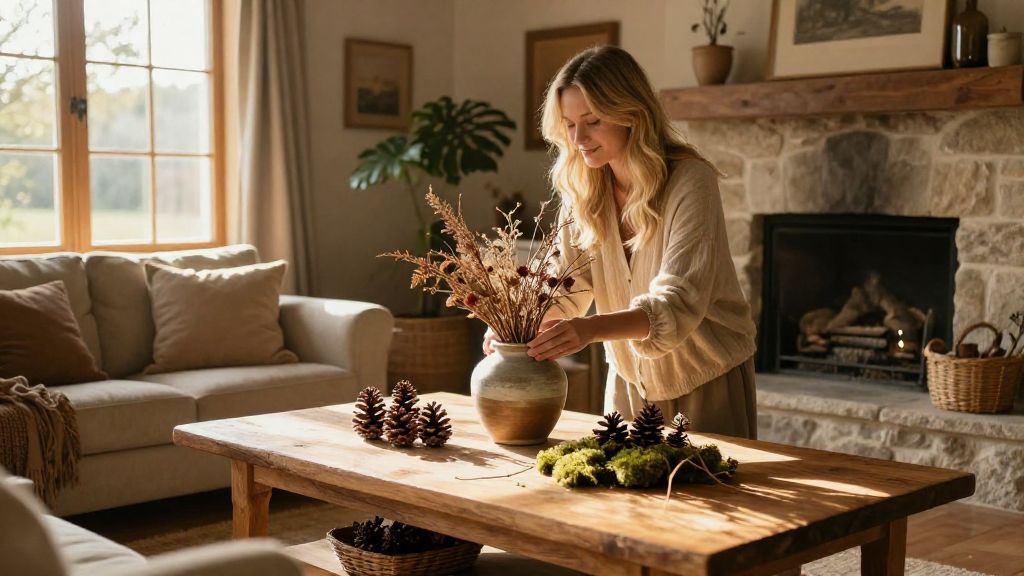
Creating a warm and inviting atmosphere in your home is easy with natural materials in rustic design. This style embraces elements from nature to formulate a cozy and organic ambience, making your space feel lived-in and welcoming.
What Are Natural Materials in Rustic Design?
In the context of rustic decor, natural materials encompass items sourced from nature, including:
- Wood (untreated, reclaimed, or driftwood)
- Stone (granite, slate, or river rocks)
- Textiles (cotton, linen, burlap, and wool)
- Metals (iron, copper, or bronze)
- Plants (dried flowers, branches, or live plants)
Incorporating these elements not only promotes sustainability but also offers a tactile quality that enhances the rustic aesthetic.
How Can You Incorporate Wood in Rustic Spaces?
Nothing says rustic quite like wood. It’s versatile, abundant, and deeply resonant with nature. Here are several ways to incorporate wood into your natural materials rustic design:
1. Wooden Furniture
Opt for solid wood furniture with imperfections or unique grains. Pieces like:
- An antique farmhouse table
- A reclaimed wood coffee table
- Wooden stools or benches
These accentuate the rustic feel and add charm.
2. Accent Walls
Consider an accent wall made from reclaimed wood.
Using wood planks or logs, you can create a rustic feature that serves as a beautiful backdrop for other decor.
3. Wooden Beams and Ceilings
If you have high ceilings, exposed wooden beams can add appeal. They provide depth and character, making the space feel more grounded.
How Do You Use Stone in Rustic Decor?
Stone adds a sense of permanence and earthiness to any space. Here’s how you can incorporate stone into your rustic design:
1. Fireplace Mantels
Create a stunning focal point with a stone fireplace. This natural structure can radiate warmth and rustic charm.
2. Accent Tiles
You can also use stone tiles for flooring or backsplashes in kitchens and bathrooms.
These surfaces can effortlessly connect indoor spaces with the great outdoors.
3. Outdoor Elements
Incorporate stone in outdoor settings too. For example, a stone path or a rustic stone garden wall enhances the natural charm.
Why Are Textiles Important in Rustic Design?
Textiles play a crucial role in softening the edges of rustic spaces. Here’s how to cleverly use textiles in your natural materials rustic design:
1. Natural Fabrics
Use cotton, linen, and burlap for your curtains, cushions, and upholstery. They accentuate the rustic theme while adding warmth.
2. Layering Textures
Mix textures by layering different types of textiles. For example, combine a wool throw with burlap cushions on a wooden couch.
This interplay of materials creates a cozy and inviting vibe.
3. Drapery and Rugs
Incorporate woven rugs made from natural fibers like jute or sisal. They not only anchor the space but also provide warmth underfoot.
How Can You Add Metal to Your Rustic Decor?
While the focus is often on wood and stone, metal can also enhance your rustic theme in several unique ways. Here’s how to integrate metal into your design:
1. Lighting Fixtures
Choose iron or bronze light fixtures to illuminate your space. Chandeliers or pendant lights crafted from metal can add an industrial touch, balancing the warmth of wood.
2. Decorative Accents
Use metal trays, buckets, and planters as decorative accents. These add a vintage charm and integrate functionality with decor.
3. Hardware and Fixtures
Consider using aged metal for cabinet handles, door knobs, and hooks.
These small details can significantly amplify the rustic aesthetic.
Why Should You Use Plants in Rustic Decor?
Plants bring life and vibrancy into rustic designs. Here are ways to incorporate plants effectively:
1. Dried Arrangements
Use dried flowers like lavender, wheat, or eucalyptus for arrangements. They provide a rustic touch without overwhelming the space.
2. Living Plants
Incorporate indoor plants like succulents or ferns that fit the rustic aesthetic. Use simple clay pots or woven baskets to display them.
3. Herb Gardens
Consider growing herbs in your kitchen. Create rustic herb gardens using wooden crates or tin containers, which marry functionality with decor.
How Can You Personalize Your Rustic Design?
Personalizing your space is crucial. Here are a few ways to make your natural materials rustic design uniquely yours:
1. Family Heirlooms
Incorporate family heirlooms like vintage photographs in wooden frames, handmade furniture, or any other item with a personal story.
These elements add character and warmth.
2. Local Art
Display art from local artisans or handmade crafts that resonate with your aesthetic and history.
Support local talent while enhancing your space’s rustic feel.
3. Travel Souvenirs
Showcase souvenirs from your travels that embody the rustic charm of the places you’ve visited.
This could be anything from a wooden sculpture to a handmade blanket.
Conclusion: Why Choose Natural Materials in Rustic Design?
Using natural materials in rustic design offers a plethora of benefits including sustainability and creating an inviting space.
By focusing on elements like wood, stone, textiles, metal, and plants, you can craft a beautiful, harmonious environment.
Remember to personalize your design to reflect who you are.
With these tips and inspirations, you can seamlessly create a cozy, rustic space that feels like home.
Enjoy the journey of transforming your space into a sanctuary that celebrates the beauty of nature!