The best espresso machine with flow control gives you more control over pressure, extraction speed, and flavor than a basic pump machine. That flexibility can help experienced users refine light roasts while still supporting consistent everyday drinks.
We compare 10 notable options, including dual-boiler machines, pressure-profiling models, integrated grinder systems, and compact machines designed for simpler home use.
Best 10 Espresso Machine with Flow Control Picks for 2026
Precision Flow

- Manual flow control with pressure gauge
- Dual boilers and PID temperature control
- Includes bottomless and multiple basket options
Best For: Hands-on home baristas refining espresso technique
Guided Profiling

- Pressure profiling and controlled flow
- On-screen shot feedback and drink recipes
- Heats in under two minutes
Best For: Beginners who want room to develop advanced skills
Stainless Control

- Manual flow control and adjustable OPV
- Dual boilers with PID controls
- Includes bottomless portafilter and accessories
Best For: Experienced users wanting traditional flow profiling
Bean-to-Cup Starter

- Integrated conical burr grinder
- Low-pressure pre-infusion and PID control
- Manual steam wand for microfoam
Best For: Beginners wanting an all-in-one espresso workflow
Most Versatile
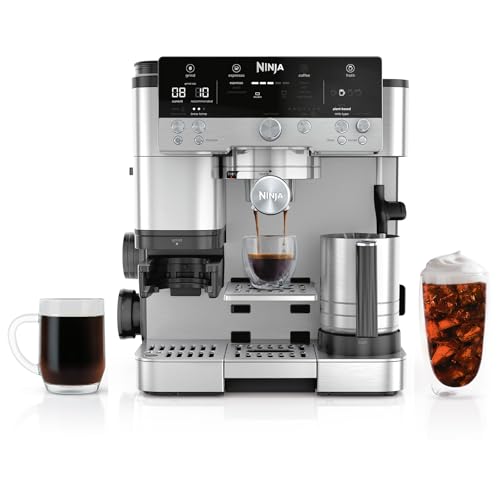
- Makes espresso, drip coffee, and cold brew
- 25-setting grinder with guided dosing and tamping
- Automatic or manual milk frothing
Best For: Beginners and multi-drink households
Best for Customization

- 40 grind settings and 0.5-second dosing
- 58mm portafilter with adjustable pre-infusion
- Touchscreen controls for time and temperature
Best For: Hands-on home baristas who want adjustable brewing
Best Manual Control

- Low-pressure pre-infusion for balanced extraction
- PID temperature control and integrated grinder
- Manual steam wand for microfoam and latte art
Best For: Aspiring and experienced home baristas
Compact Control

- Pressure gauge and pre-infusion support controlled extraction
- 5.5-inch-wide design saves counter space
- Steam wand and fast heating support milk drinks
Best For: Small kitchens and espresso beginners
Precision Starter
Breville Bambino Plus Espresso Machine

- Low-pressure pre-infusion supports even extraction
- PID temperature control and three-second heating
- Automatic steam wand creates adjustable milk texture
Best For: Compact specialty-style home espresso
Programmable Shots
Chefman CraftBrew Espresso Machine

- Touch controls adjust shot volume and include a timer
- 15-bar pump and steam wand handle espresso and milk drinks
- Removable 1.5-liter reservoir simplifies refilling
Best For: Convenient customizable home espresso
Precision Flow – Diletta Alto Black
The Diletta Alto is a strong choice for shoppers seeking an espresso machine with flow control and advanced temperature management. Its dual-boiler design, PID controls, shot timer, and adjustable OPV support hands-on espresso preparation, while the built-in flow-control valve lets you adjust water flow during extraction.
Best For: Home baristas who want manual flow profiling, dual-boiler performance, and detailed shot control.
Pros:
- Manual flow control with a group-mounted valve and pressure gauge.
- Dedicated brew and steam boilers with PID temperature controls.
- Includes both double and bottomless portafilters, plus single- and triple-basket options.
- Shot timer, adjustable OPV, and low-power Eco Mode add useful control.
Cons:
- Its listed brew warm-up time is 22 minutes.
- At 40 pounds, it is a substantial countertop machine.
- It uses ground coffee rather than an integrated grinder.
With its flow-control hardware and dual-boiler layout, the Alto is aimed at users who want to experiment with declining-flow and turbo-style shots. It is less convenient than a quick-heating, grinder-equipped machine, but offers a more traditional platform for refining espresso technique.
Guided Profiling – Fellow Espresso Series 1
The Fellow Espresso Series 1 combines pressure profiling and controlled flow with guided on-screen assistance. For shoppers comparing an espresso machine with flow control, it stands out by pairing extraction adjustments with shot feedback, drink recipes, and a fast heat-up time.
Best For: Beginners who want guided preparation now and more pressure and flow control as their skills develop.
Pros:
- Pressure profiling and controlled flow support adjustments to sweetness, clarity, and balance.
- Built-in shot feedback suggests grind changes when shots run too fast or slow.
- Heats in under two minutes and includes assisted milk steaming.
- Includes a 58 mm bottomless portafilter, single-wall and pressurized baskets, pitcher, and cleaning supplies.
Cons:
- It uses ground coffee and does not include a built-in grinder.
- Its 23.07-inch depth may require careful countertop planning.
- Guided features may be more than experienced users need for a simple workflow.
Series 1 is a practical bridge between approachable automation and more advanced espresso experimentation. Its quick heat-up, feedback tools, and adjustable brewing controls make it especially appealing to users learning how grind, pressure, and flow interact.
Stainless Control – Diletta Alto Stainless Steel
The stainless-steel Diletta Alto is an espresso machine with flow control for users who prefer manual extraction adjustments and a classic dual-boiler setup. PID temperature controls, a shot timer, adjustable OPV, and a 3-liter capacity give it the tools for repeatable, hands-on brewing.
Best For: Experienced home baristas who want flow profiling in a durable stainless-steel design.
Pros:
- Built-in flow-control valve and pressure gauge enable manual control of the extraction.
- Separate brew and steam boilers support simultaneous espresso and milk-drink preparation.
- Front-mounted PID controls and a shot timer aid repeatability.
- Includes a bottomless portafilter, standard portafilter, baskets, tamper, and group brush.
Cons:
- The listed brew warm-up time is 22 minutes.
- Its 40-pound weight makes it less convenient to move.
- No integrated grinder is included.
This version offers the same flow-control-focused feature set as the Alto platform in a stainless-steel finish. It suits buyers who value manual control and dual-boiler brewing more than a compact footprint or all-in-one convenience.
Bean-to-Cup Starter – Breville Barista Express
The Breville Barista Express is a practical all-in-one option for shoppers who want an espresso machine with flow-related pre-infusion rather than dedicated manual flow profiling. Its integrated conical burr grinder, low-pressure pre-infusion, PID temperature regulation, and manual steam wand create a straightforward bean-to-cup workflow.
Best For: Home users who prioritize an integrated grinder and convenient espresso preparation over advanced flow control.
Pros:
- Integrated conical burr grinder doses freshly ground coffee directly into the portafilter.
- Low-pressure pre-infusion gradually builds pressure for balanced extraction.
- PID temperature regulation and an adjustable grind-size dial support dialing in.
- Includes a manual steam wand, 67-ounce water tank, and 1/2-pound bean hopper.
Cons:
- It does not list a dedicated manual flow-control valve or pressure profiling system.
- The 54 mm portafilter is smaller than the 58 mm portafilters supplied with the Diletta and Fellow machines.
- Its listed warranty is one year limited.
The Barista Express is better viewed as a convenient grinder-equipped alternative than a true flow-profiling machine. Its pre-infusion and PID help support consistent shots, while the integrated grinder reduces equipment needs for new home baristas.
Most Versatile – Ninja Luxe Café Premier
The Ninja Luxe Café Premier is a practical choice if you want an espresso machine with flow control that also handles drip coffee and cold brew. Its Barista Assist Technology adjusts grinding, dosing, tamping, temperature, and pressure for a more guided brewing experience.
Best For: Beginners and households that want espresso, drip coffee, cold brew, and automatic milk frothing in one machine.
Pros:
- Combines espresso, drip coffee, and cold brew functions.
- Built-in conical burr grinder offers 25 grind settings.
- Automatic and manual frothing options support several milk textures.
- Includes weight-based dosing, assisted tamping, and active temperature and pressure adjustments.
Cons:
- Large and heavy at 31.6 pounds, so it requires substantial counter space.
- Its many drink modes and automated features may be more than a dedicated espresso drinker needs.
The Luxe Café Premier stands out for convenience and flexibility. It is especially appealing when different people want different coffee styles and would rather have guided controls than manage every brewing variable manually.
Best for Customization – AMZCHEF Espresso Machine
The AMZCHEF is a semi-automatic espresso machine with flow control features aimed at hands-on brewing. Its 58mm portafilter, adjustable pre-infusion, touchscreen readouts, temperature controls, and 40 grind settings give you several ways to refine extraction.
Best For: Home users who want a compact all-in-one machine with extensive grind, dose, temperature, and pre-infusion adjustments.
Pros:
- Offers 40 grind settings and precise 0.5-second dosing.
- 58mm brewing system provides more control over dose, tamp, and extraction.
- Touch display shows grind time, brew time, and adjustable temperature.
- Includes one-touch cold brew, a rotating steam wand, and a 1.8L removable water tank.
Cons:
- Semi-automatic operation requires more user input than a fully automatic machine.
- Its 10.4-by-13.0-by-15.9-inch footprint may still be substantial for smaller counters.
With its broad adjustment range and 58mm portafilter, the AMZCHEF is the most customization-focused option here. It suits buyers who want guided touchscreen controls but still enjoy actively dialing in their coffee.
Best Manual Control – Breville Barista Express
The Breville Barista Express is a manual espresso machine with flow control through low-pressure pre-infusion and pressure-based extraction. It pairs a built-in conical burr grinder with PID temperature regulation, giving home baristas direct control over grind size, dose, tamping, and milk texture.
Best For: Experienced or aspiring home baristas who prefer manual espresso preparation and want an integrated grinder.
Pros:
- Low-pressure pre-infusion gradually increases pressure for balanced extraction.
- PID temperature regulation supports precise brewing temperatures.
- Built-in grinder includes an adjustable grind-size dial and manual override.
- Powerful steam wand is designed for hand-textured microfoam and latte art.
Cons:
- Manual operation requires more technique and attention than automated machines.
- The 54mm portafilter is smaller than the AMZCHEF’s 58mm system.
- It offers a one-year limited warranty according to the supplied details.
The Barista Express remains a strong fit for buyers who want to learn the full espresso workflow. Its pre-infusion, PID control, grinder, and steam wand support a hands-on approach rather than push-button convenience.
Compact Control – CHULUX Slim Espresso Machine
The CHULUX Slim Espresso Machine is a practical option if you want an espresso machine with flow control features in a space-saving format. Its pressure gauge, pre-infusion function, and programmable controls help make extraction easier to monitor, while the steam wand supports homemade lattes and cappuccinos.
Best For: Apartment kitchens, coffee beginners, and home baristas who need a narrow machine with manual controls.
Pros:
- Pressure gauge provides real-time extraction feedback.
- Pre-infusion supports more even, balanced extraction.
- Compact 5.5-inch-wide design suits small counters.
- Fast 30-second preheating and a 40-ounce water tank add convenience.
Cons:
- Uses ground coffee rather than an integrated grinder.
- Manual operation requires learning how to manage brewing and steaming.
- The steam wand may require practice for consistent microfoam.
With its gauge and pre-infusion function, this CHULUX model offers useful feedback for learning espresso extraction without taking up much counter space. It is a strong fit for beginners who want more control than a basic push-button machine.
Precision Starter – Breville Bambino Plus Espresso Machine
The Breville Bambino Plus is a compact espresso machine with flow control elements aimed at consistent extraction. Low-pressure pre-infusion, PID temperature regulation, and a 54mm portafilter help support balanced shots, while the automatic steam wand simplifies milk texturing.
Best For: Home baristas who want compact specialty-coffee features and automated milk steaming.
Pros:
- Low-pressure pre-infusion gradually increases pressure for even extraction.
- PID temperature control helps maintain precise brewing temperature.
- ThermoJet heating reaches extraction temperature in about three seconds.
- Automatic steam wand offers adjustable milk temperature and texture.
Cons:
- Does not include a built-in grinder, so ground coffee or a separate grinder is needed.
- Its 7.7-inch width is compact but not as narrow as some slim models.
- Semi-automatic brewing still requires user input for dosing and tamping.
The Bambino Plus is a compelling choice for users who value repeatable temperature and pressure management but still want hands-on espresso preparation. Its automatic steam wand also makes milk drinks less demanding to produce.
Programmable Shots – Chefman CraftBrew Espresso Machine
The Chefman CraftBrew is a convenient espresso machine with flow control through adjustable shot volume and a built-in timer. Its touch panel lets you program more water for a lungo-style drink or less for a concentrated ristretto, while the 15-bar pump and steam wand cover everyday espresso-based beverages.
Best For: Users who want programmable shot volumes and straightforward controls for entertaining or daily drinks.
Pros:
- Adjustable shot volume supports lungo- and ristretto-style preparation.
- Built-in timer and touch controls simplify repeatable brewing.
- Includes single- and double-shot baskets plus a steam wand.
- Removable 1.5-liter water tank is convenient to fill and clean.
Cons:
- It offers programmable volume control, but the notes do not specify manual pressure adjustment.
- Uses ground coffee and requires separate grinding equipment for whole beans.
- Fully automatic operation may provide less hands-on control than a semi-automatic machine.
The CraftBrew is best viewed as a convenience-focused option for customizing shot size rather than a machine designed for advanced pressure profiling. Its timer, touch panel, removable reservoir, and milk frother make it practical for routine home use.
How We Picked the Best Espresso Machine with Flow Control
We focused on machines that offer meaningful control over extraction or provide features that help users manage espresso variables more precisely. We also considered heating systems, PID temperature control, pressure adjustment, shot timers, grinder integration, milk steaming, footprint, and overall ease of use.
Because “flow control” can describe different technologies, check the product specifications carefully. Some machines use dedicated flow-control hardware, while others provide pressure profiling, adjustable over-pressure valves, or programmable controls that influence how water moves through the coffee puck.
Quick Comparison
- Best for advanced control: Choose a pressure-profiling or dual-boiler model with adjustable pressure and temperature settings.
- Best for convenience: An integrated grinder and automatic dosing can reduce the number of separate accessories required.
- Best for beginners: Look for guided controls, forgiving presets, fast heat-up, and straightforward milk steaming.
- Best for small kitchens: Compact single-boiler or thermoblock machines save counter space but may require more workflow compromises.
Key Buying Factors for an Espresso Machine with Flow Control
Pressure and Flow Adjustment
Determine whether the machine offers true flow control, pressure profiling, an adjustable OPV, or only standard pump operation. More adjustment is useful for dialing in different roast levels, but it also creates a steeper learning curve.
Heating System and Temperature Stability
Dual boilers allow brewing and steaming at the same time and are well suited to frequent entertaining. Thermoblock and single-boiler designs can be more affordable and compact, though you may need to wait between brewing and steaming.
Grinder and Workflow
An integrated grinder saves space and simplifies setup, but a separate espresso grinder may offer better upgrade flexibility. Whichever configuration you choose, precise grind adjustment is essential because grind size has a major effect on flow rate and extraction.
Milk Steaming and Daily Usability
Consider steam power, wand design, water-tank capacity, warm-up time, and cleaning requirements. A machine with advanced espresso controls is less useful if its everyday workflow is frustrating.
Who Should Buy Which Espresso Machine with Flow Control?
Choose a dual-boiler flow-control machine if you regularly make multiple drinks, want strong temperature stability, and enjoy experimenting with pressure or flow profiles.
Choose a pressure-profiling model if you are comfortable learning espresso technique and want to adjust extraction behavior for different coffees.
Choose an integrated grinder machine if convenience, counter-space savings, and an all-in-one setup matter more than maximum upgrade flexibility.
Choose a compact beginner machine if you mainly make occasional espresso, cappuccinos, or lattes and prefer a lower-cost, simpler appliance. In that case, prioritize consistent heat-up, accessible controls, and easy cleaning over advanced flow adjustments.