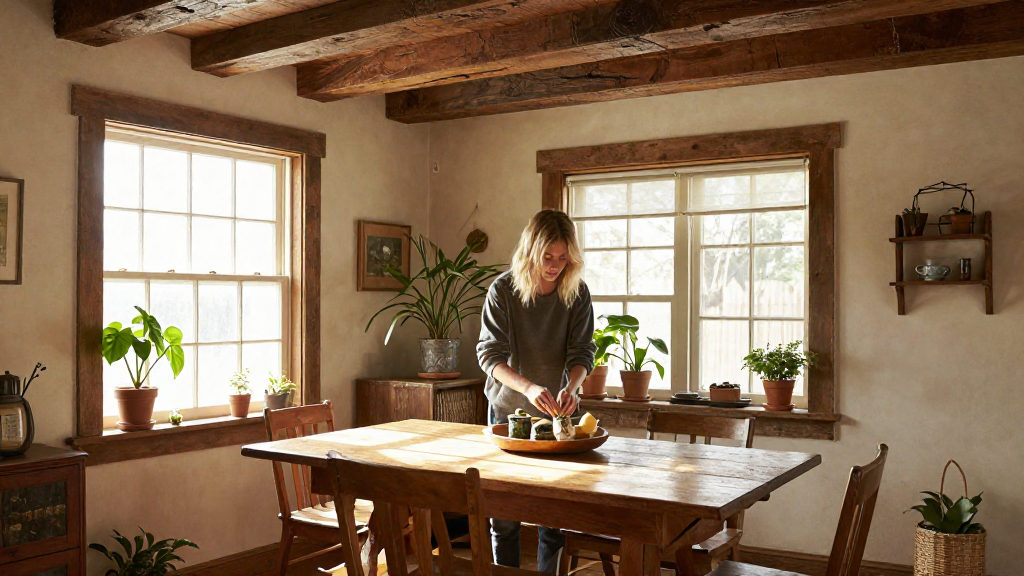
When it comes to creating warm and inviting spaces, reclaimed wood interiors stand out as a perfect design choice.
Whether you’re remodeling your home or working on a new build, incorporating reclaimed wood into your design can elevate the rustic aesthetic dramatically.
What is Reclaimed Wood?
Reclaimed wood is salvaged from older structures, such as barns, factories, and warehouses.
This type of wood comes with a rich history that adds character and charm to any space.
When reused, it helps reduce waste, making it an environmentally friendly option for sustainable living.
Why Choose Reclaimed Wood for Interiors?
Using reclaimed wood interiors presents a multitude of benefits.
Here are some reasons why you should consider this beautiful material for your next project:
- Sustainability: Reclaimed wood is a green option that helps reduce the demand for new lumber.
- Character and Uniqueness: Each piece of reclaimed wood has its own history, and therefore its own unique look that can’t be replicated.
- Durability: Often, reclaimed wood is sourced from old-growth trees, which tend to be sturdier and more resilient.
- Aesthetic Appeal: The rustic charm of reclaimed wood can enhance the visual appeal of any space.
How Can You Incorporate Reclaimed Wood in Rustic Design?
To make the most out of reclaimed wood interiors, you can explore various applications and combinations.
Here are some popular ideas:
1. What Are Some Creative Uses for Reclaimed Wood?
There are countless ways to incorporate reclaimed wood into your rustic design.
- Accent Walls: Transform a plain wall into a stunning focal point with a reclaimed wood feature wall.
- Furniture: Use reclaimed wood to build or upcycle furniture pieces like tables, chairs, and benches.
- Ceiling Beams: Exposed beams made from reclaimed wood can add height and dimension to any room.
- Flooring: Have a unique floor experience by installing reclaimed wood planks, bringing warmth to your interiors.
- Shelving: Create rustic shelves for books or plants.
2. How Do You Choose the Right Type of Reclaimed Wood?
Selecting the right reclaimed wood is crucial for achieving the desired effect.
Here are some tips to guide your choices:
- Assess the Wood’s Condition: Look for wood that is structurally sound and does not show signs of severe damage.
- Consider the Wood Species: Different species offer varying colors and finishes. Oak, pine, and barn wood are commonly used in rustic designs.
- Match with Your Aesthetic: Choose wood that complements your overall design style. Dark wood may work better in a traditional setting, while lighter woods suit a more modern rustic look.
- Check for Treatment: Ensure that reclaimed wood is free from harmful chemicals or additives that could compromise indoor air quality.
3. What Techniques Enhance Reclaimed Wood Interiors?
After selecting the wood, consider various techniques to enhance its beauty and functionality.
- Finishing Techniques: A clear coat can accentuate the natural grain of the wood, while stains can achieve a desired coloration.
- Distressing Techniques: Create a more rustic look by distressing your wood. Techniques include sanding, wire brushing, or adding dents.
- Mixing Materials: Combine reclaimed wood with other materials like metal, glass, or stone for a balanced look.
4. Where Should You Use Reclaimed Wood in Your Home?
Reclaimed wood can be applied throughout your home:
- Living Rooms: Use reclaimed wood furniture or wall decor for a cozy ambiance.
- Kitchens: Install reclaimed wood cabinets or countertops for a warm, inviting cooking space.
- Bathrooms: Add reclaimed wood accents, such as vanities or small decor, for a rustic touch.
- Bedrooms: Choose reclaimed wood bed frames or headboards to create a warm and comforting retreat.
5. How Do You Care for Reclaimed Wood Interiors?
Maintaining the beauty of your reclaimed wood interiors requires a bit of effort.
Here are essential care tips:
- Cleaning: Gently dust with a microfiber cloth. Avoid using harsh chemicals that could damage the finish.
- Humidity Control: Reclaimed wood can expand and contract with changes in humidity. Keep indoor humidity levels balanced.
- Regular Inspections: Check for signs of pest infestation or wood rot and address issues promptly.
6. What Are Some Popular Reclaimed Wood Trends?
Staying informed about current trends can inspire your own projects.
Here are a few popular trends in reclaimed wood interiors:
- Reclaimed Wood Flooring: This continues to be a timeless choice for rustic designs.
- Live Edge Furniture: Pieces that retain their natural edge add a unique organic quality to interiors.
- Multipurpose Spaces: Reclaimed wood can demarcate areas in open floor plans, creating a sense of warmth and intimacy.
- Combining Modern Design: Merging reclaimed wood elements with contemporary styles is increasingly popular, offering a fusion of past and present aesthetics.
Conclusion
Incorporating reclaimed wood into your rustic design is not just a trend; it’s a commitment to sustainability and timeless beauty.
The versatility of reclaimed wood interiors allows you to create unique spaces full of character.
From stunning accent walls to rustic furniture, the possibilities are endless.
With the right techniques and materials, you can bring warmth and charm into your home.
Start exploring reclaimed wood options today to see how you can transform your spaces into a rustic wonderland!